
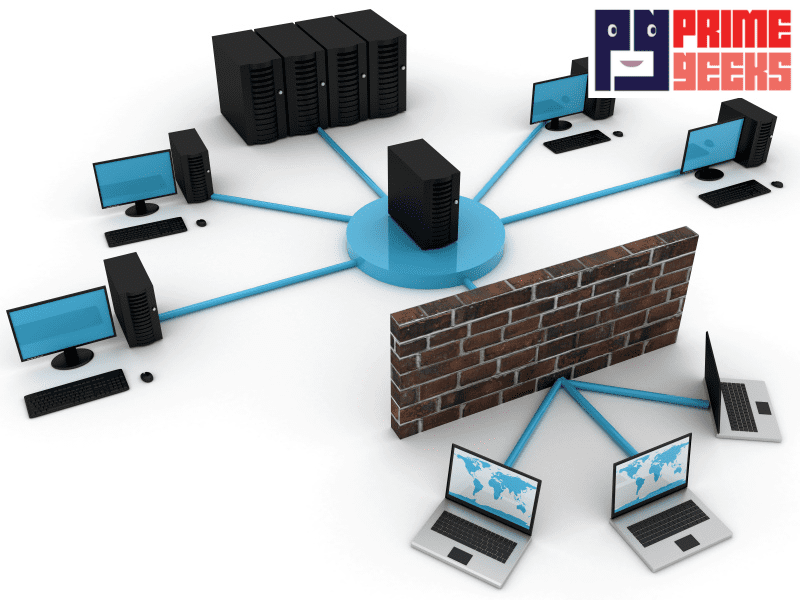
In today’s world, keeping your computer network safe is more important than ever. Cyber threats like viruses, malware, and hackers can cause serious problems for businesses and homes alike. This guide will help you understand firewalls and network security, how to protect your data, and make smart choices about security systems. With clear, step-by-step explanations, even beginners can follow along and learn how to strengthen their network.
At Prime Geeks, we take network safety seriously. We have helped businesses, schools, and families secure their computers and sensitive data for years. Our experience with real-world network issues allows us to provide practical advice you can trust.
This guide combines professional insight with easy-to-understand language, so you can make informed decisions about protecting your network without feeling overwhelmed.
What Are Firewalls and Network Security?
Firewalls and network security are tools and practices that keep computers and data safe from threats. A firewall is like a gate that controls which data can enter or leave your network. Network security includes everything from antivirus software to secure passwords and monitoring systems.
Together, they protect your files, emails, and sensitive information from unauthorized access. Understanding these basics is the first step in keeping your digital world safe.
How Firewalls Work to Protect Your Network
Firewalls act as barriers between your internal network and the internet. They check incoming and outgoing data, allowing safe information through while blocking dangerous content. Firewalls can be hardware devices, software programs, or a combination of both.
They filter traffic based on rules you set, like blocking certain websites or applications. Using a firewall properly helps prevent hackers from accessing your devices and sensitive information.
Types of Firewalls You Should Know
There are several types of firewalls for different network needs. Packet-filtering firewalls examine each data packet and allow or block it based on set rules. Stateful inspection firewalls track active connections and provide more intelligent filtering.
Proxy firewalls act as intermediaries between your devices and the internet. Each type has pros and cons, so it’s important to choose one that matches your network size and security needs.
Benefits of Firewalls and Network Security
Having strong firewalls and network security provides many benefits. They protect sensitive information from hackers, viruses, and malware. Businesses can operate safely without worrying about data breaches.
Firewalls can also control access, preventing employees or guests from visiting unsafe websites. Overall, strong network security reduces risk and gives peace of mind. Investing in a secure system saves time, money, and stress in the long run.
Common Network Threats to Watch Out For
Networks face many types of threats every day. Malware and ransomware can lock files or damage systems. Phishing attacks trick users into revealing passwords or personal information. Unauthorized access can occur if passwords are weak or devices are unprotected.
Firewalls help reduce these risks, but staying alert and following security best practices is essential. Awareness and preparation are key to keeping your network safe.
Setting Up Your Firewall Properly
Setting up a firewall is easier than many think. First, choose the type that fits your needs. Hardware firewalls require connecting a device between your internet and network. Software firewalls often come with operating systems or security suites.
Configure rules carefully to allow necessary traffic while blocking suspicious activity. Test the system by accessing safe sites and monitoring alerts. Proper setup ensures your network is protected without slowing down normal use.
Maintaining Your Network Security
Maintaining network security is just as important as setup. Keep your firewall software and devices updated to fix vulnerabilities. Monitor network activity to detect unusual behavior.
Change passwords regularly and encourage users to follow safe practices. Backup important data often in case of attack. Regular maintenance strengthens your defenses and keeps your network running smoothly.
Choosing the Right Firewall and Security System
Choosing the right firewall and security system depends on your needs. Small offices or homes may only need a simple software firewall and antivirus combination. Larger businesses often require hardware firewalls with advanced features like intrusion detection and VPN support. Consider costs, scalability, and technical support.
A well-chosen system can prevent security problems before they start. Experts at Prime Geeks can help assess your situation and recommend the best options.
Pros and Cons of Firewalls and Network Security
Firewalls and network security have clear advantages. They prevent unauthorized access, block malware, and control network traffic. On the downside, some firewalls may slow network speed or require ongoing maintenance.
Complex setups can be difficult for beginners. However, the benefits of protecting data and ensuring safe internet use usually outweigh the challenges. With proper guidance, even beginners can manage network security effectively.
Real-World Tips from Network Experts
From our experience at Prime Geeks, the most common network mistakes include weak passwords, outdated software, and ignoring alerts. We recommend combining firewalls with antivirus software, strong passwords, and user education.
Monitor devices regularly and review logs for unusual activity. These simple practices prevent most common security issues. Real-world experience shows that proactive measures are far better than reactive fixes after a breach.
Advanced Features to Consider
Modern firewalls offer advanced features that increase protection. Intrusion detection systems alert you to attacks in real-time. Virtual private networks (VPNs) create secure remote connections. Some firewalls allow detailed traffic monitoring and reporting for compliance.
Features like these provide deeper security for businesses and tech-savvy home users. Understanding what each feature does helps you make informed decisions about your network safety.
Final Thoughts on Network Security
Strong firewalls and network security are essential for protecting your information and devices. Proper setup, maintenance, and monitoring reduce the risk of attacks. By investing in the right tools and following best practices, you can secure your network at home or work. With guidance from experts like Prime Geeks, beginners and businesses alike can feel confident about their digital safety.
Safety Disclaimer: Always follow manufacturer instructions when setting up firewalls and security devices. If unsure, seek professional help to avoid misconfiguration or data loss.